Explore a specific Deye question
Check your supply phase before comparing power
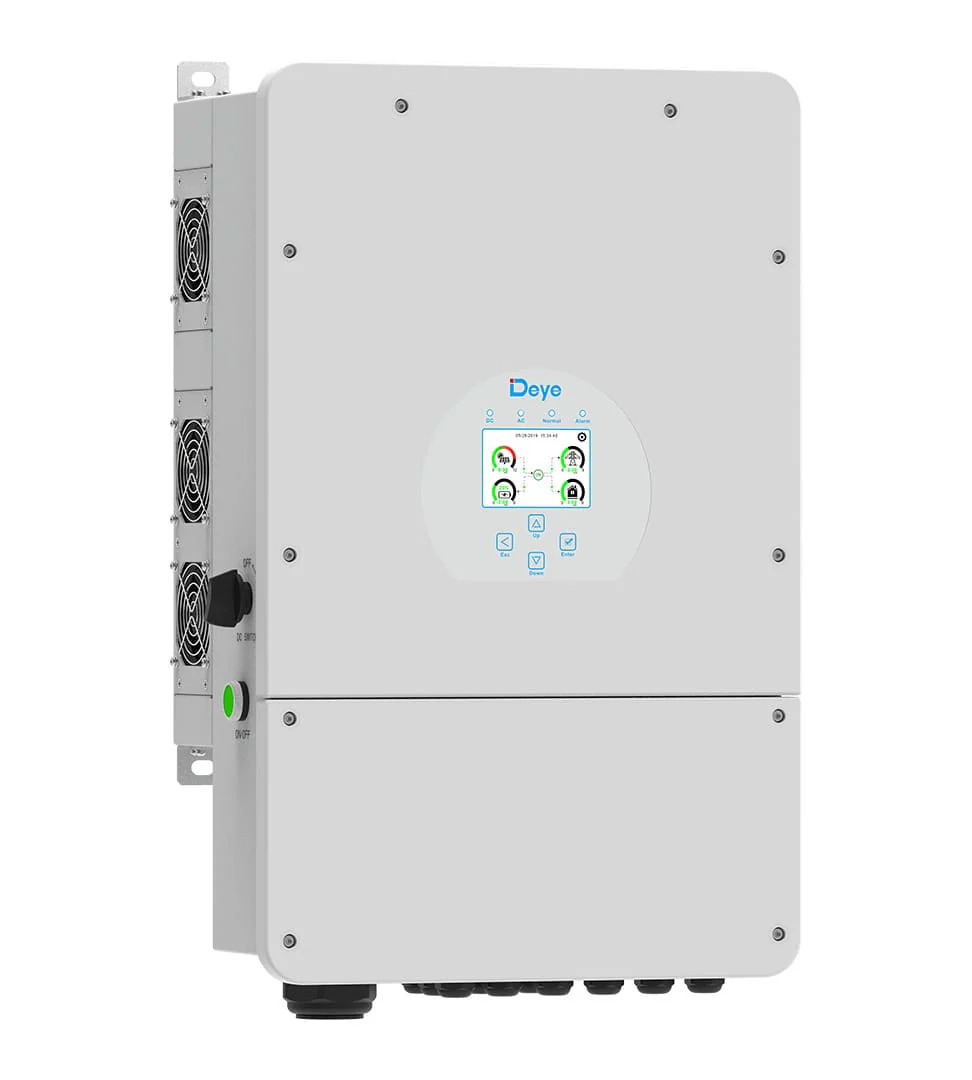
We supply three Deye low-voltage hybrid inverter options: a 10 kW single-phase model, a 10 kW three-phase model and a 12 kW three-phase model. The 12 kW inverter in our range is three phase; the only single-phase option we sell is the 10 kW model.
A higher kW label is not automatically the right choice. Start with the property’s phase arrangement, intended backup loads, battery configuration and the applicable network requirements. Your installer should confirm the design and the current approval status of the exact model.
The Deye models we supply
| Model | Phase / class | Hardware price |
|---|---|---|
| SUN-10K-SG02LP1-AU-AM3 | 10 kW Single Phase | $2,860incl. GST, supply only |
| SUN-10K-SG04LP3-AU | 10 kW Three Phase | $3,300incl. GST, supply only |
| SUN-12K-SG04LP3-AU | 12 kW Three Phase | $3,630incl. GST, supply only |
These prices cover inverter hardware, not batteries, installation or a complete grid-connected system. Ask for a quote that confirms model, required accessories and freight. See the Deye product listings for documentation and specifications.
Single phase versus three phase
The SG02LP1-AU-AM3 model we list is single phase. The SG04LP3-AU models are three phase. They are different product families, not simply alternative sizes of the same inverter.
On a three-phase property, assess demand and backup requirements per phase. Total inverter output alone does not establish what an individual phase or circuit can support. Check the exact model datasheet and installation design for output, passthrough and backup limits.
The 12 kW three-phase model offers a higher nominal output class than the 10 kW three-phase option. Whether that extra capacity is useful depends on loads, PV design, battery performance and network constraints, not just the size of the home.
Pairing a Deye inverter with Pytes Pi LV1
Deye and Pytes are our main pairing. Daniel’s advice comes from hands-on involvement in more than 130 Pi LV1 systems. That experience can help you ask the right design and commissioning questions, but it does not replace a model-specific compatibility check.
Confirm the battery communications profile, supported firmware and charge/discharge limits for the exact equipment. Avoid copying settings from another installation: load requirements, battery configuration and site conditions can differ. Read the Pi LV1 battery buying guide alongside the inverter documents.
What to include in your enquiry
- Property supply: single or three phase, and any existing solar inverter.
- Exact Deye model under consideration and proposed battery configuration.
- Running and starting loads, plus the circuits you want backed up.
- Solar array details, intended installation environment and installer’s requirements.
- Delivery postcode and whether you are buying for yourself or a customer.
Ask for current written warranty terms and model-specific approvals before purchasing. We do not promise rebate eligibility, grid approval or a particular backup outcome from the model name alone.
Manufacturer documents
- Deye SG02LP1 single-phase datasheet (PDF)
- Deye SG02LP1 single-phase manual (PDF)
- Deye SG04LP3 three-phase datasheet (PDF)
- Deye SG04LP3 three-phase manual (PDF)
- Deye’s published Australian SG04LP3 family datasheet
Evolve Energy Hub supplies hardware and product advice; licensed installation is separate. This guide is not a wiring or inverter-settings instruction.