
The short answer: size for your usage, not your panels
There is no single battery size that suits every home with a 10 kW solar system. Two homes with the same panels can have very different evening demand, spare daytime generation and backup priorities. Start with the energy you want to shift from daytime to later use, then check whether the proposed inverter and battery can deliver the power your loads need.
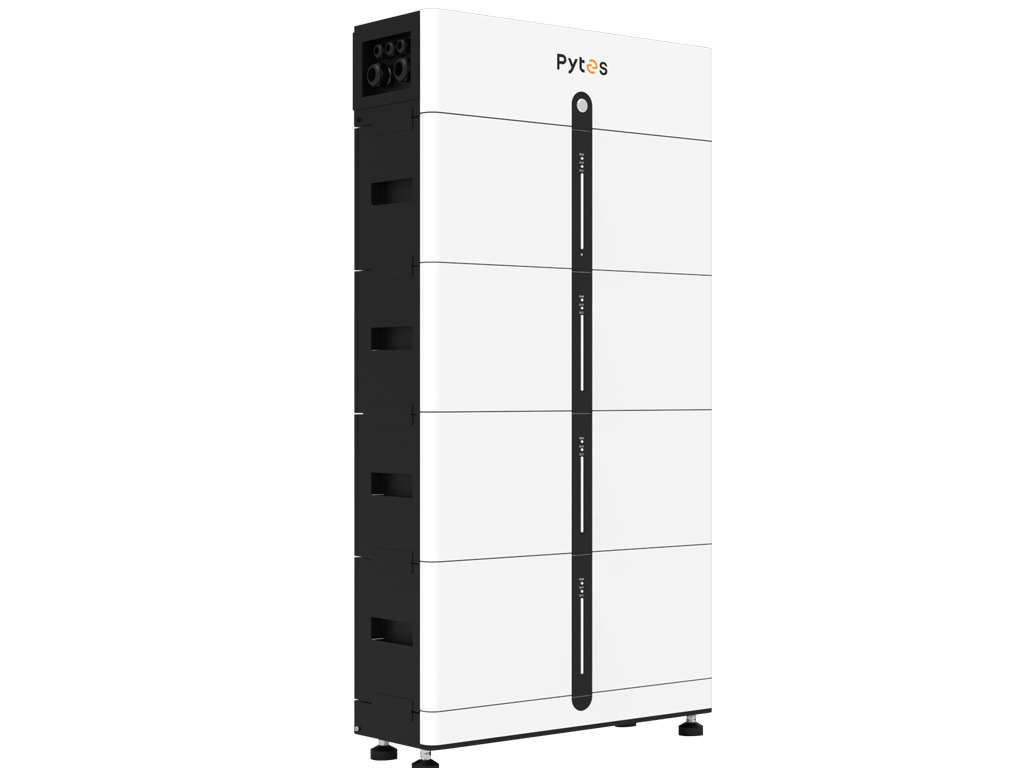
For a Pytes Pi LV1 system, capacity is built from 5.12 kWh nominal BMU modules. The right number depends on the site—not a universal panel-to-battery ratio. An installer should check usable capacity, operating reserves, charge/discharge limits and the supported configuration before the hardware is ordered.
kWh is energy. kW is power.
A battery’s kWh figure describes stored energy. Its kW capability describes how quickly it can supply or accept energy, subject to the inverter and battery limits. A large energy capacity alone does not guarantee enough power to run several appliances at once or start a motor.
As an illustration, a load averaging 1 kW for six hours uses 6 kWh. That arithmetic is a demand example, not a battery recommendation: reserve settings, conversion losses and available usable capacity change how much nominal storage a real system needs. Air conditioning, cooking and pumps may also have higher simultaneous or starting demands than that average suggests.
Read the right part of your electricity data
- Evening and overnight demand: use interval data where available to see what you consume after solar output falls.
- Daytime surplus: check how much solar energy remains after daytime loads. Installed panel capacity alone does not tell you how much energy is available to charge a battery.
- Seasonal differences: compare different parts of the year rather than relying on one sunny day or one electricity bill.
- New loads: include planned air conditioning, electric vehicle charging or equipment changes.
- Backup priorities: decide which circuits are essential and how long you want them supported.
Your electricity retailer or monitoring system may provide useful interval data. Share a demand summary with Daniel and your installer rather than choosing only from a daily average.
How Pi LV1 module capacity adds up
| BMU modules | Nominal energy |
|---|---|
| 1 | 5.12 kWh |
| 2 | 10.24 kWh |
| 3 | 15.36 kWh |
| 4 | 20.48 kWh |
| 5 | 25.60 kWh |
| 6 | 30.72 kWh |
These figures describe nominal energy, not a promised overnight runtime or usable AC output. One Pi LV1 BCU base carries one to six BMU modules; confirm the applicable manual and supported inverter configuration. We sell modules and bases individually, not a pre-priced stack package.
See what the BMU and BCU each do before comparing quotes.
Backup needs a separate check
A battery being present does not mean every circuit will run during a grid outage. Backup depends on the inverter’s capabilities, wiring arrangement, protection, phase requirements and battery power limits. Ask your installer to identify the supported backup circuits and expected operating constraints.
Prioritising refrigeration, lighting and selected essentials is different from trying to back up an entire home, large air conditioners or workshop machinery. Give your installer both the energy requirement and the simultaneous load requirement.
Before buying more modules
Extra storage is useful only when it serves your demand and can be charged effectively. Ask whether the existing system supports expansion, whether firmware or battery condition matters, and what the current manufacturer instructions require. Do not assume a new module can simply be added to any existing stack.
Send your inverter model, existing module count, usage summary, backup priorities and delivery postcode for product advice. Evolve Energy Hub supplies hardware only; installation and final electrical design are separate.
Continue with the Pi LV1 buying guide or view battery module and base prices.
References
- Australian Government energy glossary — energy and power terminology.
- Queensland Government battery buyer’s guide — usage, backup and system selection.
- Pytes Pi LV1 Australian product information — modular system overview.
Check the current product manual with your installer for the proposed equipment. The load example above is illustrative, not a performance claim.