
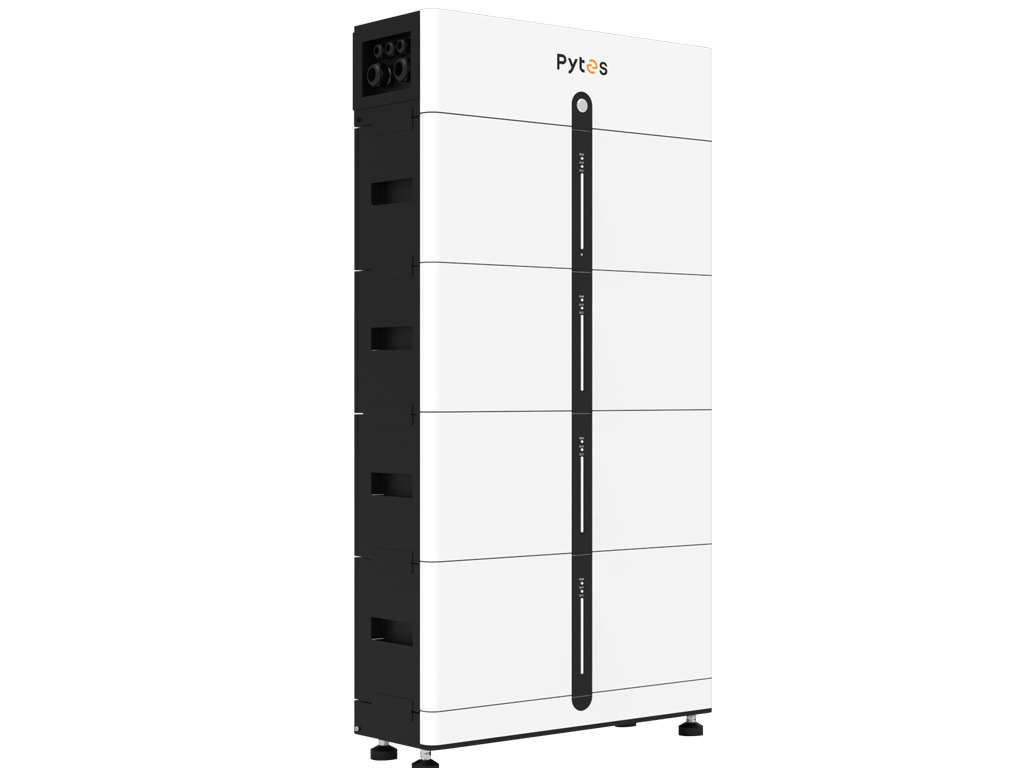
Start with the module and the base
The Pytes Pi LV1 is a modular lithium iron phosphate (LFP) battery system. Each BMU is a battery module; the BCU is the control and connection base used for the stack. They are separate items in our range, so a module price should not be mistaken for the cost of a complete installed battery system.
Our listed BMU has 5.12 kWh nominal energy capacity. The Pi LV1 range is described by Pytes as 5.12–30.72 kWh per stack. We supply BMU modules and BCU bases individually; confirm the current Australian manual, configuration and inverter requirements before ordering or expanding a stack.
Compare the BMU and BCU product listings, and check the Pi LV1 user manual with your installer.
What the advertised prices cover
| Hardware | Supply price |
|---|---|
| Pytes Pi LV1 Battery Module — 5.12 kWh | $1,375 incl. GST per module |
| Pytes Pi LV1 Base Unit (BCU) | $715 incl. GST per base |
The BMU price is per module and the BCU price is per base. Your quote should state quantities, required accessories and freight separately. These are supply-only prices, not a stack package or an installation quote. Ask about trade pricing for volume orders.
Battery capacity is not the same as power
Energy in kWh tells you how much can be stored; power in kW describes how quickly energy is delivered. Nominal battery capacity does not tell you whether your system can start a large motor, support every backup circuit or run a particular load overnight.
Selection depends on the inverter, battery charge/discharge limits, reserved capacity, conversion losses and the loads you intend to run. Give your installer a load list and usage information instead of selecting a stack solely by the advertised kWh.
Questions to answer before you order
- What is the exact inverter model, and is the proposed Pi LV1 configuration supported?
- Which loads require backup, and what are their starting and running demands?
- What floor space, access, mounting and environmental conditions are available?
- What modules, BCU, cables, communications and protection are required?
- If expanding later, what does the current manufacturer guidance allow for the existing system?
Manufacturer compatibility information and the applicable Australian installation requirements should guide the final design. Do not assume any 48 V inverter will work with any battery stack.
Direct advice and warranty support
Daniel Shorey has hands-on involvement in more than 130 Pytes Pi LV1 systems and is the North Queensland warranty technician. For systems purchased through Evolve Energy Hub, you can discuss product selection, commissioning questions and warranty concerns directly with Daniel rather than starting with an unrelated call centre.
Ask for the current written warranty terms before purchase, including eligibility, operating conditions, exclusions and the claim process. Serviceable components are useful, but replacement cost and warranty coverage depend on the fault and applicable terms; this guide does not promise a particular repair price.
Evolve supplies the hardware only. Installation enquiries can be referred to Shorecan Electrical and Solar, a separate business.
Product references and next steps
- Pytes Pi LV1 Australian product overview
- Supplied Pi LV1 user manual — confirm the revision for your equipment.
For a paired system, read the Deye single-phase and three-phase buying guide. This is supplier guidance, not an independent battery review or a rebate-eligibility assessment.